How to Wash a Rug at Home: A Safe Step-by-Step Guide by Rug Type
Cotton and synthetic rugs can be washed at home; silk, viscose, jute and antique rugs should not be. Sort yours by fiber, then follow safe step-by-step methods for durable and wool rugs.
By Bakers Rug Service · Hand-washed rug care in Miami since 1940
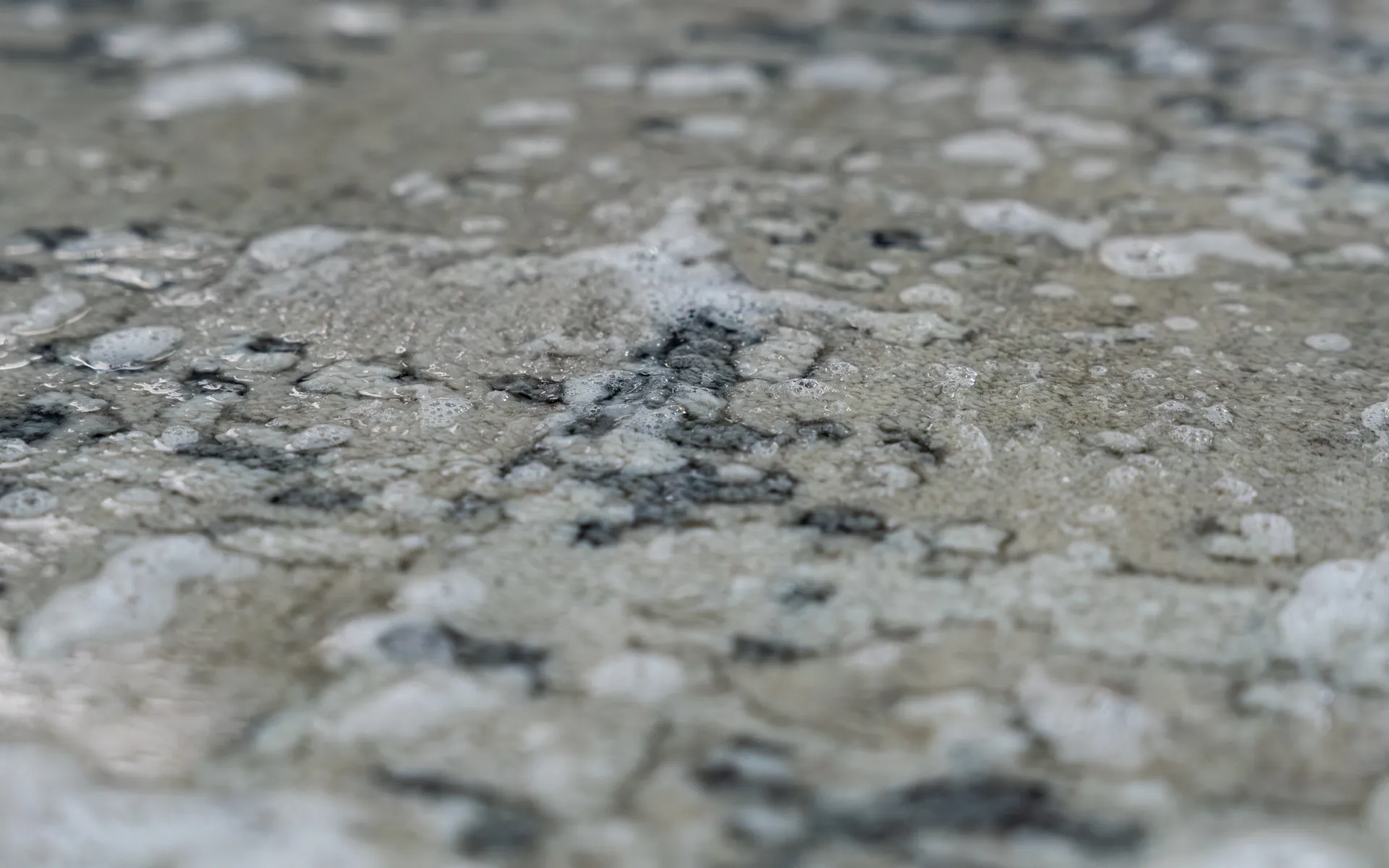
Knowing how to wash a rug starts with what it is made of. Much of the advice on how to clean an area rug assumes a sturdy synthetic, and the same steps can make dyes bleed in wool or weaken viscose. Sort yours by fiber first, then follow the matching method below.
Can You Wash a Rug at Home? Check the Fiber First
You can wash cotton and synthetic rugs at home, wash an inexpensive machine-made wool rug only with care, and leave silk, viscose, jute, hand-knotted and antique rugs to a professional.
Start with the care label on the back, the receipt or the maker's product page. If the label says dry clean only, follow it, and call the dry cleaner first: the Carpet and Rug Institute (CRI) notes that many do not handle rugs. Some makers, Nourison among them, discourage owner cleaning altogether.
| Rug type | Wash at home? | Method |
|---|---|---|
| Cotton, including rag rugs and flatweaves | Yes | Durable-rug method below |
| Synthetic: polypropylene, polyester, nylon | Yes | Durable-rug method below |
| Machine-made wool | Only with care | Gentler wool method below |
| Any hand-knotted, antique or naturally dyed rug | No | Professional hand wash |
| Silk | No | Professional cleaning |
| Viscose, rayon, art silk, bamboo silk | No | Professional cleaning |
| Jute, sisal, seagrass | No wet washing | Vacuum and blot; professional for more |
A flatweave has no pile, the raised surface of yarn tufts; a hand-knotted rug has its pile tied knot by knot onto a foundation of warp and weft threads. Check the back too: jute absorbs liquid and can shrink or pucker, so a jute backing calls for extra caution. Then use this decision tree:
- Does the label rule out water? Stop here.
- Is the fiber marked No in the table? Stop and read the checklist below.
- Does dye come off during the color test? Stop.
- Can you move it, rinse it clear and dry it within two days? If not, stop.
- Cleared all four? Use the method for your fiber.
How to Prep a Rug for Washing: Color Test and Vacuum
Before washing, test the dyes in a hidden spot and vacuum both sides, so a bleeding rug never gets wet and dry grit comes out before water goes in.
Test for Colorfastness
Colorfast means a dye stays put when wet; a dye that runs is said to bleed. In an inconspicuous spot, put a few drops of the solution you plan to use on each color, press a plain white cloth on it for 10 seconds, as in CRI's pretest, and check both for color transfer or change. Any transfer is a stop sign, not a cue to try a stronger product. For older or handmade rugs, the longer test in our Persian rug cleaning guide is the safer one.
Vacuum Both Sides
CRI calls vacuuming first critical for any do-it-yourself cleaning, and the WoolSafe Organisation notes that coarse, dry soil such as sand settles as far down as the roots of the tufts, a real concern in beachside South Florida. Vacuum the face slowly, flip the rug and vacuum the back, then pass over the face again. Keep the beater bar off the fringe by working from the center toward the ends, or use suction only.
How to Wash a Rug Without a Machine (Cotton, Synthetic and Flatweave Rugs)
Wash a durable rug outdoors on a clean, hard surface with a gentle hose, a diluted mild detergent and a soft brush, then rinse until the water runs clear.
This method suits cotton and synthetic rugs, flatweaves included. Gather two buckets, a mild pH-neutral liquid detergent, a soft brush or sponge, a hose with a gentle spray setting, a squeegee, old towels and a way to raise the rug off the ground.
- Pick the day and the spot. Choose a dry, breezy forecast, start early and work on a clean driveway, deck or patio with a slight slope.
- Wet the rug with cool water. Let the hose run first, since water sitting in a sunny hose can come out hot. Use a gentle spray, never a pressure washer, and wet the rug evenly without drenching it.
- Mix a weak solution. Stir a little detergent into a bucket of lukewarm water; CRI warns that stronger solutions can make a rug re-soil faster.
- Wash in sections. Work the solution in with light strokes in the direction of the pile, giving traffic lanes extra time rather than extra pressure. Go easy on fringe, and wash the back of reversible flatweaves too.
- Rinse until the water runs clear. Keep going until pressing the pile brings up no suds, since detergent left behind also speeds re-soiling.
- Push out the water. Squeegee in the direction of the pile, center to edges, then press towels into the wettest areas. A wet rug is heavy, so get help to lift it.
- Dry it flat and raised. Follow the drying steps below.
Never use bleach, hot water on wool or silk, or a stiff brush on any rug. Overwetting is the other common mistake: CRI links it to shrinkage, discoloration, odor and backing separation.
What Changes When You Wash a Machine-Made Wool Rug?
Wash wool only after it passes the color test, and only with a wool-safe cleaner, cool to lukewarm water, as little moisture as possible and no scrubbing.
Keep this for an inexpensive machine-made wool rug you are prepared to risk: CRI discourages do-it-yourself cleaning of area rugs containing natural fibers other than cotton. The WoolSafe Organisation, which approves wool-care products, traces most wet-cleaning damage to over-wetting, too much mechanical action and unsuitable chemicals. Adjust the durable-rug method:
- Cleaner: a wool rug shampoo, ideally WoolSafe-approved, not dish soap or laundry detergent. CRI calls for neutral detergents in the pH 5.0 to 8.0 range and notes that bleaches and alkalies easily damage wool.
- Water: cool to lukewarm, never hot, with no excessive heat or agitation at any stage.
- Moisture: apply the solution as suds or with a damp sponge. WoolSafe warns that over-wetting greatly lengthens drying time and can discolor the pile.
- Handling: light strokes in the direction of the pile, with no stiff brushes, twisting or wringing.
- Rinse: clean, cool water in light passes, pulled out right away with a squeegee and towels.
- Drying: start at once; CRI advises drying wool quickly to limit yellowing or browning.
Skip this method for hand-knotted, antique or vegetable-dyed rugs. For spot treatments and more on wool, see how to clean a wool rug.
How to Dry a Rug After Washing
Dry a washed rug flat and raised so air reaches both sides, and aim to have it completely dry within 24 to 48 hours, the window the EPA gives for preventing mold growth.
- Lay it flat in the shade. CRI suggests spreading larger washed bath mats and rugs in a shaded area to dry, which also spares the dyes hours of direct sun.
- Raise it. Rest it across patio chairs, sawhorses or a drying rack so air moves underneath.
- Move the air. Point fans at both sides, and if you finish indoors, run the air conditioning or a dehumidifier.
- Flip it. Turn the rug over partway through so the back dries as quickly as the face.
- Check the base. Press into the pile near the foundation and feel the back, because the surface usually dries first.
Humid South Florida days slow evaporation, so plan for drying to take longer than you expect. For more drying techniques, read how to dry a wet rug.
Which Rugs Should Never Be Washed at Home?
Stop and call a professional if the rug is silk, viscose or bamboo silk, antique, hand-knotted with natural dyes, jute or another plant fiber, fails the color test, or is heavily soiled or saturated with pet urine.
Rule of thumb: if you cannot name the fiber, treat the rug as delicate.
- Silk. CRI says silk loses strength when wet, calls for a dry cleaning process and leaves silk to professionals.
- Viscose, rayon, art silk, faux silk and bamboo silk. These are manufactured fibers, not silk. Nourison, a rug maker, cautions that wet viscose loses strength and can break if rubbed. Read more in how to clean a silk or viscose rug.
- Antique and heirloom rugs. CRI's advice for heirloom-type rugs is simply to hire professionals.
- Hand-knotted rugs, especially with natural dyes. Natural dyes are made from sources such as plants and insects rather than synthetic chemistry, and an expert check of dye stability should come before any water.
- Jute, sisal and seagrass. Nourison says not to steam clean or wet shampoo jute, and CRI recommends a professional for plant fibers; see how to clean jute, sisal and seagrass rugs.
- Heavily soiled or urine-saturated rugs. Nourison's stain chart sends pet urine to a reputable cleaner, and a rug that will not rinse clear needs more than a hose. For accidents, see how to remove pet urine from a rug.
When to Call a Professional
Call a professional whenever your rug lands on the list above or you are unsure what it is made of, because a wrong guess is hard to undo once the rug is wet.
Bakers Rug Service washes every rug by hand, one at a time, and never machine cleans it. Each rug moves through five stages:
- An expert inspection that checks dye stability, stains and structural damage.
- Deep dusting to remove embedded dry soil.
- Hand washing in gentle pH-neutral solutions.
- Fringe repair, edge rebinding or hole repair, if you ask for it.
- Controlled air drying in a climate-controlled environment to prevent mold and shrinkage.
Estimates are free, and pickup and delivery are complimentary across Miami-Dade, Broward and Palm Beach counties, including Kendall, where our shop sits at 8723 SW 132 St, and Coral Gables. Explore our rug washing and repair services, call (305) 232-3368, or ask whether your rug can be washed at home.
Frequently Asked Questions
Can you put a rug in the washing machine?
Only if the care label says it is machine washable, which usually means a bath mat or a small cotton or synthetic rug. The Carpet and Rug Institute's guidance for those is warm water between 90 and 105°F, a neutral, mild detergent, a thorough rinse and the lowest dryer heat setting. Unless the label allows it, keep wool out of the machine, and never machine-wash silk, viscose, jute or hand-knotted rugs.
Is dish soap safe for washing a rug?
A little clear dishwashing liquid can work on cotton and synthetic rugs. The Carpet and Rug Institute's spot-cleaning recipe is 1/4 teaspoon of clear dishwashing liquid, with no bleach, lanolin or optical brighteners, in a cup of warm water. The institute warns against laundry detergents, which may contain optical brighteners that dye fibers, and automatic dishwasher detergents, many of which contain bleaching agents. On wool, use a WoolSafe-approved product instead.
What does bamboo silk mean on a rug label?
Bamboo silk is not silk. The Federal Trade Commission says a textile can only be called bamboo if it is made directly from bamboo fiber; rayon made using bamboo as its plant source may be labeled rayon, or viscose, made from bamboo, and the agency notes the two names mean the same thing. Care for it like viscose: blot spills with white towels, keep it dry and leave any wash to a professional.
When can I put a washed rug back on the floor?
Only when the rug is dry all the way through, including the foundation and the back, and the pad and floor beneath it are dry too. The EPA lists the underside of carpets and pads among the places mold can hide, so laying a damp rug on a damp pad is the combination to avoid. Vacuum the floor and shake out the pad before the rug goes back down.
Not Sure Your Rug Can Handle Water?
Tell us the fiber, size and condition, and we will help you decide whether it is safe to wash at home or needs a professional hand wash. Estimates are free.
Sources
- Carpet & Rug Care Guide (The Carpet and Rug Institute)
- Cleaning and Maintenance (The Carpet and Rug Institute)
- The Cleaning & Maintenance of Wool Carpets (The WoolSafe Organisation)
- Rug and Carpet Care (Nourison)
- A Brief Guide to Mold, Moisture and Your Home (U.S. Environmental Protection Agency)
- Bamboo Textiles (Federal Trade Commission)