Rug Cleaning vs Steam Cleaning vs DIY: Which Is Right for Your Rug?
Steam cleaning, rental machines and a professional hand wash each suit different rugs. Compare risks, cost tiers and drying, then follow a seven-step decision flow.
By Bakers Rug Service · Hand-washed rug care in Miami since 1940
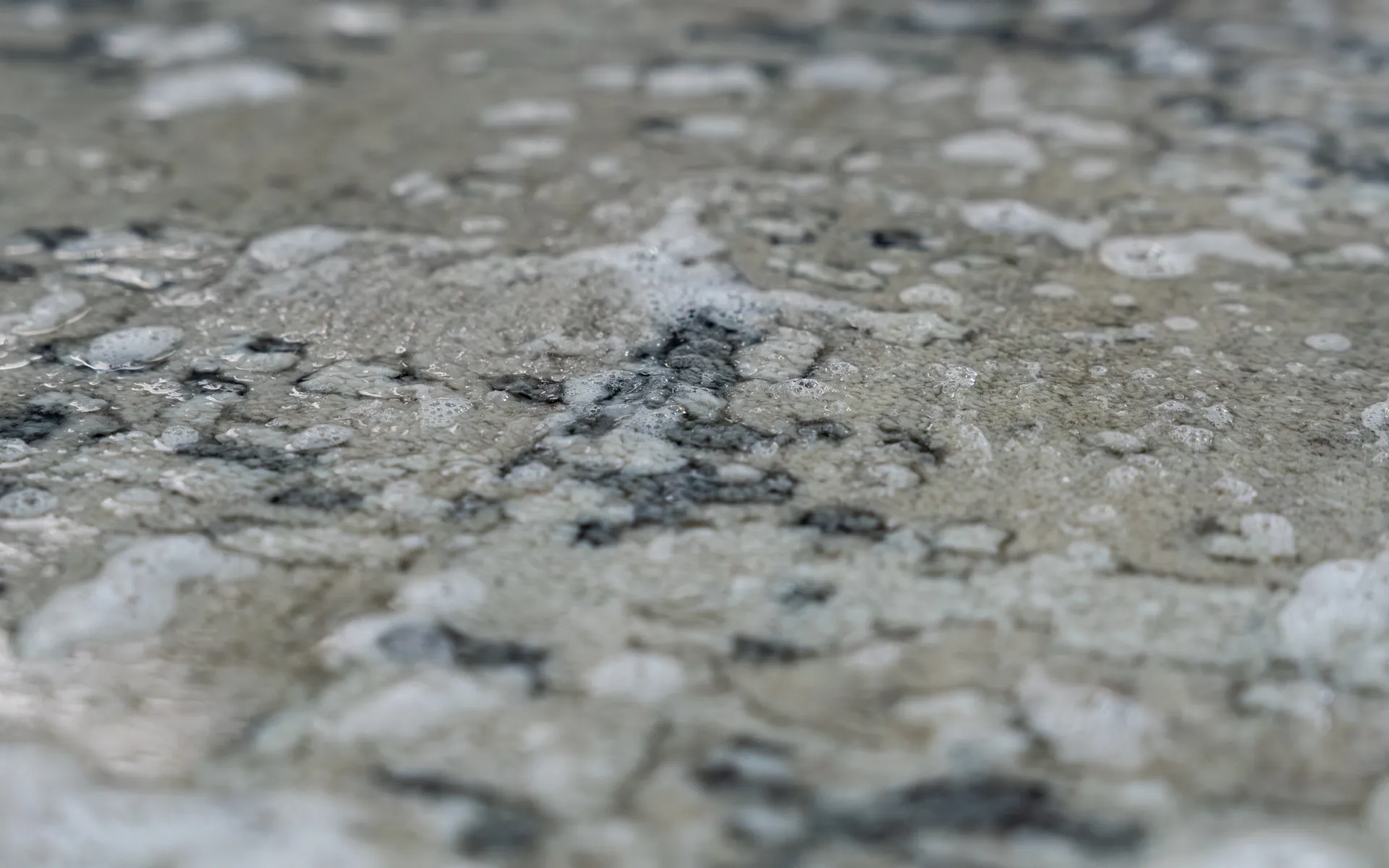
If you are comparing rug cleaning vs steam cleaning, you are really choosing among three methods: professional cleaning at a rug plant, usually a hand wash; hot water extraction, the process most people call steam cleaning, done with the rug on your floor; and a do-it-yourself pass with a rental machine or home rug shampooer. Each suits some rugs and puts others at risk. Here is how they compare, which rugs suit which, and how to decide.
What Is the Difference Between Rug Cleaning and Steam Cleaning?
Professional rug cleaning usually means removing the rug and washing it as a whole, while steam cleaning means spraying and vacuuming the pile where the rug lies.
- Hot water extraction (steam cleaning). A machine sprays hot water and cleaning solution into the pile, then vacuums it back out. The flooring manufacturer Shaw notes that the method is commonly called steam cleaning, although no steam is actually generated.
- DIY rental machine or rug shampooer. This is a consumer version of the same idea. Rug Doctor, which makes rental machines, says they have no heating element, so the water is only as hot as your tap. Shaw adds that professional equipment has more extraction power than rental units.
- In-plant cleaning. This is the trade term for cleaning a rug at the cleaner's facility, where it is dusted, washed, rinsed and dried off the floor.
The IICRC, which publishes cleaning standards for the industry, recommends in its S-100 standard that area rugs be removed and cleaned in a plant. Cleaning on location is the fallback when size, cost, logistics or customer preference rule a plant out.
Rug Cleaning vs Steam Cleaning vs DIY: Side-by-Side Comparison
DIY costs least and carries the most risk, steam cleaning in place suits durable synthetic rugs, and in-plant cleaning suits wool, handmade, antique and delicate rugs.
| Method | Suited to | Main risks | Relative cost | Time | Drying |
|---|---|---|---|---|---|
| DIY rental or rug shampooer | Synthetic or cotton rugs with a solid backing, if the label allows water | Overwetting, detergent residue, dye bleeding, water reaching the floor | Low | An afternoon of your labor | About two to four hours for carpet, per Rug Doctor; longer when humid |
| Professional hot water extraction | Durable synthetic machine-made rugs too large to move | Same as DIY, eased by stronger extraction; soil can wick up as the rug dries in place | Medium | One visit | Faster than a rental, per Shaw; the Carpet and Rug Institute (CRI) wants carpet dry within 12 hours |
| In-plant cleaning, such as a hand wash | Wool, hand-knotted, antique and fragile rugs; silk, viscose and plant fibers by a tested method | The rug is out of the house; results depend on the shop | Higher | Longest; the rug stays out until fully dry | Off your floor, in a controlled space |
Cost tiers are relative. The actual cost depends on size, fiber, condition and repairs, as covered in what affects the price of rug cleaning. A low-cost method can still end up costing more if the rug shrinks, bleeds or browns.
Is Steam Cleaning Bad for Rugs?
Steam cleaning is not bad for every rug, but it is a poor match for wool, silk, viscose, plant-fiber, hand-knotted and antique rugs, because heat, heavy wetting and slow drying on the floor are where rug damage begins.
Carpet makers such as Shaw recommend hot water extraction for installed carpet, and CRI says synthetic carpet, which is most carpet made today, may be cleaned with most methods. Area rugs add risks:
- Heat. CRI says excessive heat should be avoided on wool and that high temperatures can damage silk. It also warns that a steam cleaner's heat will set urine stains and smell.
- Overwetting. CRI says overwetting may cause backing separation, shrinkage, discoloration and odor. Hand-tufted rugs are held together with latex adhesive, the IICRC notes, so a saturated backing matters.
- Shrinkage. Woven rugs combine different materials and may shrink or buckle after cleaning, and the IICRC recommends in-plant cleaning for shrinkage-prone rugs.
- Browning. Cellulosic browning is a yellow or brown stain that rises from plant fibers such as cotton and jute when they dry too slowly. Most oriental-style fringe is cotton, synthetic or silk, the IICRC notes, so even a wool rug can brown at the ends.
- Dye bleeding. The IICRC links bleeding to prolonged moisture, urine, high pH and aggressive cleaning agents, and says over-dyed reds and blues are especially likely to run at their first cleaning.
- Wicking. Soil left in the base of a rug can rise to the tips of the pile as it dries, which the IICRC calls soil wicking.
- The floor underneath. Rug Doctor warns that water passes through a rug without a solid backing and could damage the surface beneath.
Rule of thumb: Keep rental machines off wool, silk, viscose, jute, sisal, hand-knotted and antique rugs.
Can You Use a Rental Machine or Rug Shampooer on an Area Rug?
Yes, but only on rugs built for it: synthetic or cotton rugs with a solid backing, a care label that allows water and colors that pass a spot test.
Rug Doctor's list of what its rental machines should not clean includes Oriental rugs (silk or wool), hand-loomed or braided rugs, sisal, jute and seagrass, dry-clean-only carpets and non-colorfast fabrics. CRI goes further and discourages do-it-yourself cleaning of area rugs containing natural fibers other than cotton.
The rug shampooer vs professional question comes down to rinsing and extraction, and so does much of professional rug cleaning vs DIY. CRI says to rinse all detergent out, because stronger-than-recommended solutions speed re-soiling, and Shaw notes that leftover soap residue can cause rapid re-soiling.
If your rug qualifies:
- Check the label or the maker's instructions, as Rug Doctor recommends.
- Vacuum both sides first.
- Spot test. Apply a few drops of solution in an inconspicuous spot, hold a white cloth on it for 10 seconds and check both for color transfer, as CRI describes. Any color means stop.
- Move it onto tile, concrete or a garage floor, not wood or laminate.
- Use the recommended strength. In CRI's words, more is not better.
- Extract and dry. Make extra passes without spraying, run fans and keep the rug off the floor until it is dry through to the back.
For washing a small rug by hand, see how to wash a rug at home.
Which Cleaning Method Suits Your Rug Type?
Match the method to fiber and construction first, and to the amount of soil second.
- Synthetic machine-made rugs: CRI says most methods work on synthetic fibers, so DIY or professional extraction is reasonable if the label agrees.
- Small cotton rugs and bath mats: Many can be machine washed. CRI suggests warm water at 90 to 105 degrees F, a neutral detergent and the lowest dryer heat.
- Wool rugs: CRI calls for neutral detergents (pH 5.0 to 8.0), no excessive heat or agitation, and quick drying to limit yellowing or browning.
- Hand-knotted Persian, Oriental and Turkish rugs: Choose in-plant cleaning. CRI advises hiring professionals for heirloom-type rugs.
- Hand-tufted rugs: Keep moisture low. The IICRC says their latex usually begins to break down after five to ten years, so have an older rug's backing checked.
- Silk and viscose: Leave these to a professional. CRI says silk loses strength when wet; see our silk and viscose guide.
- Jute, sisal and seagrass: CRI recommends a professional for plant fibers, which also risk browning; see jute, sisal and seagrass care.
- Antique or fragile rugs: Gently tug the fringe. If it comes off easily, the IICRC says, any cleaning may damage it further.
How to Choose: A Decision Flow for Your Rug
Work through these questions in order; the first one that points to a professional settles it.
- What does the label say? A small cotton or synthetic rug labeled machine washable can follow it. Dry clean only, or no label on a valuable rug, means a professional.
- Is it wool, silk, viscose or a plant fiber? Skip DIY machines.
- Is it hand-knotted, hand-loomed, braided or antique? Choose in-plant cleaning.
- Has color moved in a spot test, or bled before? A past bleed can often be spotted on the back, per the IICRC. Call a professional.
- Is the problem urine or odor? Do not steam it. See our guide to removing pet urine from a rug.
- Can it dry completely within 24 to 48 hours? The U.S. Environmental Protection Agency (EPA) says materials dried within that window will, in most cases, not grow mold, and advises indoor humidity below 60 percent. If you cannot manage that, do not wet the rug.
- Is it synthetic, machine-made, solid-backed and lightly soiled? Then DIY or professional hot water extraction is reasonable; the professional route removes more water.
What Does Professional Rug Cleaning Do That Steam Cleaning Cannot?
Cleaning in a plant treats the whole rug, not only its face: dyes are checked before water touches it, the foundation is dusted, and it dries off your floor.
At Bakers Rug Service, every rug is washed by hand, individually, and never machine cleaned. Each one gets an expert inspection for dye stability, stains and structural damage, deep dusting to remove embedded dry soil, a hand wash with gentle pH-neutral solutions, repair and detail work when requested, and controlled air drying in a climate-controlled environment to prevent mold and shrinkage.
Our rug cleaning and repair service covers Persian, Oriental, Turkish, wool and silk rugs, plus pet stain and odor treatment. For why the washing method matters, read hand-washed vs machine-washed rugs.
When to Call a Professional
Call a professional before cleaning any rug that is wool, silk, viscose, jute or sisal; hand-knotted, antique or fragile; bleeding, smelling of urine or losing fringe; or impossible to dry within 24 to 48 hours.
Estimates are free, and pickup and delivery are complimentary across Miami-Dade, Broward and Palm Beach counties, including Pinecrest and Doral. Rugs are cleaned at our Kendall-area shop at 8723 SW 132 St, Miami, FL 33176.
Not sure which method your rug can take? Request a free estimate through our contact form, and we will tell you how we would clean it before any work begins.
Frequently Asked Questions
Can I use a steam mop or handheld steamer on a rug?
Treat it as a risk rather than a shortcut. Unlike most so-called steam cleaning, these tools do produce steam, and that heat is a poor match for wool, silk and urine spots. The one steaming use the IICRC describes for rugs is relaxing a curled edge: a clothes steamer, never an iron, then a heavy object on the raised area for 24 hours, with a plastic bag as a barrier.
Why do carpet makers recommend steam cleaning if it can harm rugs?
Because they are writing about installed carpet. Shaw calls hot water extraction its choice for carpet, and its warranties require proof of periodic extraction with equipment in the Seal of Approval program run by the Carpet and Rug Institute. Most carpet is synthetic and stays fixed in place. An area rug can be lifted, cleaned front and back and dried off the floor, so its own label and fiber should decide the method.
Is renting a carpet cleaner less expensive than professional rug cleaning?
Up front, usually yes: a rental sits in the lowest cost tier, and you supply the labor. The comparison changes when the rug is wool, handmade or valuable, because a rug that shrinks, bleeds or browns may need professional correction or repair on top of the rental. A free professional estimate lets you weigh real numbers for your rug before you rent anything.
Where can I get a rug hand washed near Pinecrest or Doral?
Bakers Rug Service hand washes Persian, Oriental, Turkish, wool and silk rugs at its shop at 8723 SW 132 St in the Kendall area of Miami. Each rug is washed individually and never machine cleaned. Pickup and delivery are complimentary across Miami-Dade, including Pinecrest and Doral, as well as Broward and Palm Beach counties, and estimates are free through the contact form.
Know the Right Method Before You Commit
Not sure whether your rug can take steam cleaning? Tell us its size and fiber, and we will recommend a method and send a clear, free estimate before any work begins.
Sources
- Carpet & Rug Care Guide (The Carpet and Rug Institute)
- Cleaning and Maintenance (The Carpet and Rug Institute)
- Consumer Floor and Furnishings Care Information: Area Rugs, including On-Location Cleaning (IICRC tip sheet)
- Carpet Cleaning: Hot Water Extraction and Professional Advantages (Shaw Floors)
- Carpet Cleaner Rental FAQs (Rug Doctor)
- A Brief Guide to Mold, Moisture and Your Home (U.S. Environmental Protection Agency)